
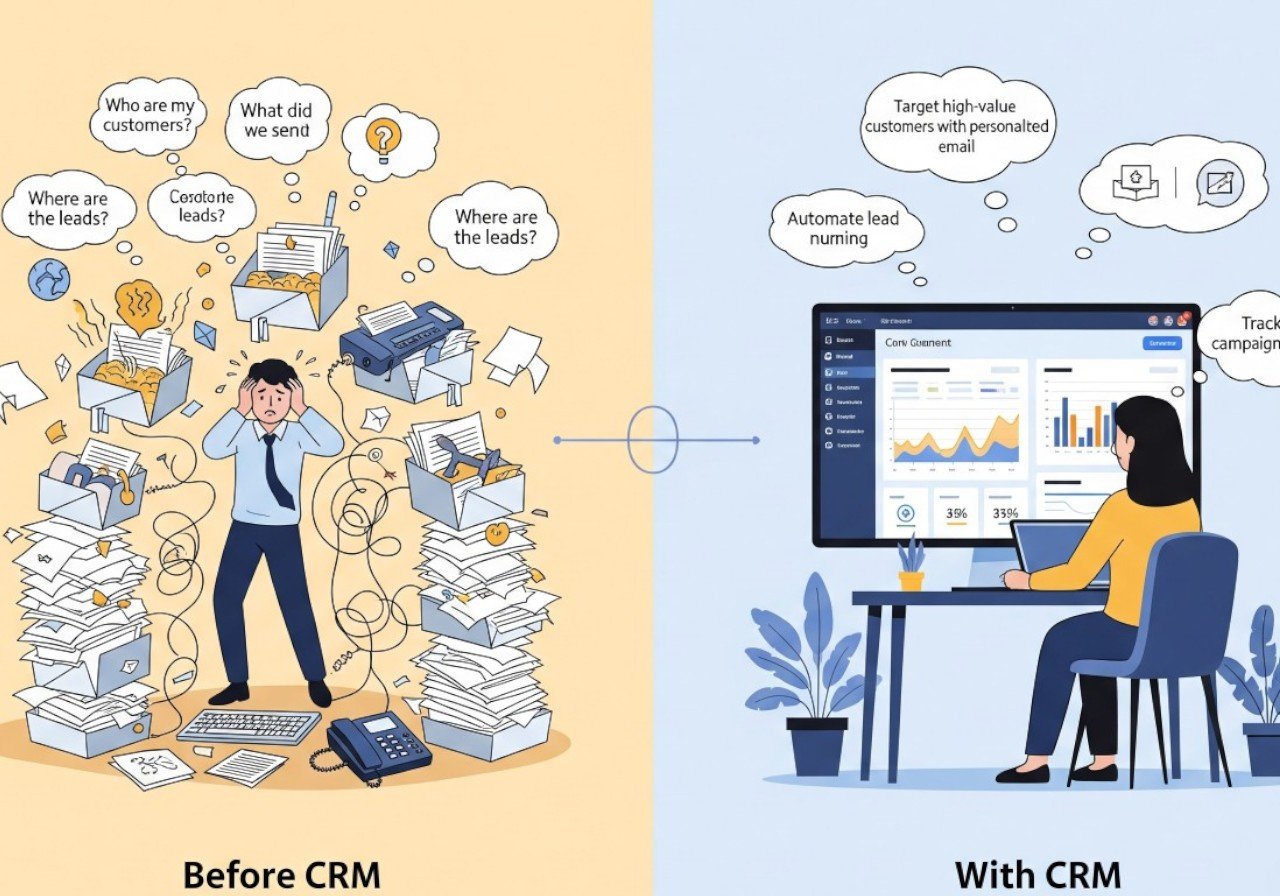
Introduction
In the modern business landscape, marketing is no longer just about promoting products—it’s about creating personalized experiences that resonate with customers. Customer Relationship Management (CRM) software has become an essential tool for marketers, allowing them to understand customers better, run targeted campaigns, and measure performance effectively.
CRM software helps businesses gather valuable insights about customer behavior, preferences, and interactions. With this information, marketing teams can craft campaigns that are not only relevant but also timely, ensuring higher engagement, better conversion rates, and improved customer loyalty.
Section 1: What is CRM Software?
CRM software is a powerful tool that captures essential information such as contact details, past purchases, communication history, and preferences. By centralizing this data, marketing teams gain a comprehensive view of each customer, allowing for more personalized and effective campaigns.
Modern CRMs go beyond data storage—they offer automation, analytics, and integration features that allow marketers to execute campaigns, track their success, and refine strategies based on real-time insights.
Section 2: Key Marketing Features of CRM Software
- Customer Segmentation: Group customers based on demographics, behavior, or purchase history to run targeted campaigns.
- Email Campaign Automation: Send automated, personalized emails to leads and existing customers.
- Campaign Analytics: Measure the effectiveness of campaigns, track engagement, and adjust strategies.
- Social Media Integration: Monitor and manage social media interactions from a single platform.
- Lead Nurturing: Identify and engage with prospects at the right stage of the buying journey.
- Behavior Tracking: Understand customer interactions and preferences to deliver relevant offers and recommendations.
Section 3: Benefits of CRM Software for Marketing Teams
CRM software offers several advantages for businesses seeking to enhance their marketing efforts:
- Improved Lead Conversion: Nurture leads with timely follow-ups and relevant content.
- Better Campaign ROI: Analyze metrics and optimize campaigns for higher engagement and conversion rates.
- Consistency Across Channels: Ensure messaging is consistent across email, social media, and other marketing channels.
- Data-Driven Decisions: Use analytics to make informed marketing choices and refine strategies.
For example, a travel agency can use CRM to segment customers based on past trips and preferences, then send personalized vacation packages that match their interests. Similarly, an online retailer can track browsing behavior and recommend products that align with customer preferences, increasing the likelihood of a purchase.
Section 4: Tips for Using CRM to Boost Marketing Efforts
- Segment Customers Effectively: Use data to create meaningful customer groups for targeted campaigns.
- Automate Wisely: Automate repetitive tasks without losing the personal touch in communications.
- Monitor Campaign Performance: Track engagement, clicks, and conversions to improve future campaigns.
- Integrate with Other Tools: Connect CRM with email marketing, social media, and analytics platforms for seamless operations.
- Focus on Customer Experience: Use insights to deliver relevant and valuable content that enhances customer relationships.
Conclusion
CRM software is a game-changer for marketing teams, allowing businesses to understand their customers, run effective campaigns, and measure results with precision. By leveraging CRM data, companies can deliver personalized experiences that drive engagement, loyalty, and revenue growth.
In a competitive market, businesses that use CRM strategically gain an edge by aligning their marketing efforts with customer needs. CRM not only streamlines marketing operations but also empowers teams to make smarter, data-driven decisions that enhance overall business success.